Ronin hardforks, becoming an Ethereum L2
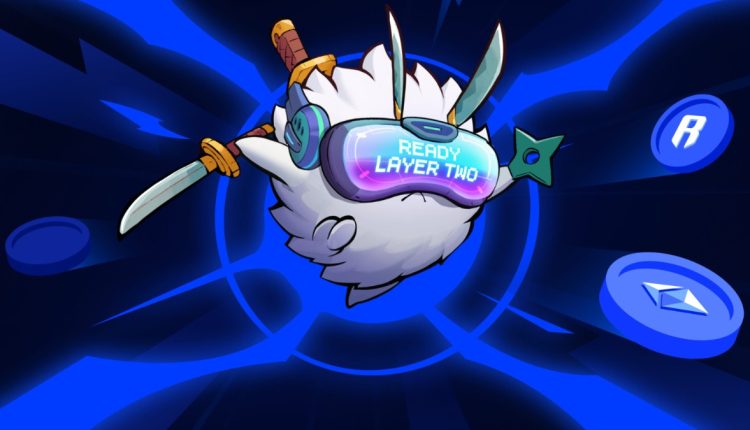
Four years after the Lazarus Group’s $625 million exploit of the Ronin bridge forced an existential reckoning, the blockchain is completing its most ambitious technical transformation yet.
On 12th May at block height 55,577,490, the network hard-forked from being an independent EVM sidechain into a full Ethereum Layer 2 built on Optimism’s OP Stack.
Sky Mavis co-founder Jihoz framed the move as a homecoming.
In a thread posted hours before the fork, Jihoz laid out the timeline saying Ronin would enter “hibernation” for approximately 10 hours while the upgrade completed, with no action required from users or players.
Partners including Optimism, Conduit, Boundless and EigenLayer supported the migration, with EigenDA handling off-chain data availability and Ethereum providing settlement and finality. Any node running older software was cut off once the new chain activated.
But the technical shift is only half the story. The real headline is the tokenomics overhaul that accompanied it.
For one thing, RON’s annual inflation drops from over 20% to below 1%.
As Jihoz outlined, treasury inflows will also increase from multiple sources, including gas fees, a rise in Ronin marketplace fees from 0.5% to 1.25%, and the redirection of 90 million RON previously allocated to passive staking rewards. The treasury will also capture net sequencer profits, giving the protocol a sustainable revenue model for the first time.
The centrepiece of the new economy going forward is Proof of Distribution.
This is a mechanism that rewards projects based on the activity they bring to the network rather than passive staking. Projects must register to start earning RON, and crucially, the system is designed to be transparent. As Jihoz puts it, Proof of Distribution will publicly show which teams are performing and succeeding without Sky Mavis having to curate winners.
It’s a pointed departure from the grant-and-hope model that dominates most blockchain ecosystems. Combined with the network’s new bRON and bAXS Apptokens, the ambition is to create a self-sustaining flywheel where contribution is measurable and rewarded accordingly.
For gaming, this matters because Ronin remains the infrastructure backbone for Axie Infinity and other titles including Fishing Frenzy, Fableborne and Pixels.
The L2 migration inherits Ethereum’s security guarantees without sacrificing the low-cost, high-throughput experience gaming demands. The broader context is significant too. Ronin joins Celo and Fraxtal in the expanding OP Stack ecosystem, signalling that purpose-built chains are increasingly choosing to operate under Ethereum’s umbrella rather than going it alone.
Whether it all works depends on execution, particularly whether Proof of Distribution can attract the builders needed to fill the chain with activity.
But Jihoz sounds confident: “I expect all key metrics across the chain to start to improve. You get what you incentivise.”
Source: https://www.blockchaingamer.biz/news/42226/ronin-hardforks-becoming-ethereum-l2/